



When embarking on a DIY project or a professional woodworking job, selecting the right hand saw is crucial. As a hand tools supplier, I've witnessed firsthand how the right saw can transform a project from a struggle into a smooth and enjoyable experience. In this blog post, I'll guide you through the process of choosing the perfect hand saw for your specific needs.
Understanding the Different Types of Hand Saws
The first step in choosing the right hand saw is to understand the various types available. Each type is designed for specific tasks, and knowing their differences will help you make an informed decision.
Crosscut Saw
A crosscut saw is designed to cut across the grain of the wood. It has teeth that are shaped like small knives, which are angled to cut through the wood fibers cleanly. Crosscut saws typically have more teeth per inch (TPI) than other types of saws, resulting in a smoother cut. They are ideal for making precise cuts in boards, such as when cutting a piece of lumber to length.
Rip Saw
In contrast to a crosscut saw, a rip saw is designed to cut along the grain of the wood. Its teeth are shaped like chisels, which are better suited for splitting the wood fibers. Rip saws usually have fewer TPI than crosscut saws, allowing them to remove material more quickly. They are commonly used for tasks like cutting a board into narrower strips.
Back Saw
A back saw is a type of saw with a rigid metal strip along the top edge, which provides stability and control during cutting. It has fine teeth and is typically used for making precise cuts, such as joinery work. Back saws are available in various sizes and tooth configurations, depending on the specific application.
Coping Saw
A coping saw is a thin, flexible saw blade that is attached to a U-shaped frame. It is used for making intricate cuts, such as curved or irregular shapes. Coping saws are commonly used in woodworking, particularly for molding and trim work.
Hack Saw
A hack saw is a versatile saw that is used for cutting metal, plastic, and other materials. It has a fine-toothed blade that is tensioned between two handles. Hack saws are available in different blade lengths and tooth configurations, depending on the material being cut.
Factors to Consider When Choosing a Hand Saw
Once you have a basic understanding of the different types of hand saws, it's time to consider the following factors to ensure you choose the right saw for your project:

Project Requirements
The first and most important factor to consider is the specific requirements of your project. What type of material will you be cutting? What kind of cuts do you need to make? For example, if you're working on a woodworking project that requires precise crosscuts, a crosscut saw would be the best choice. On the other hand, if you need to make long rip cuts in a thick piece of lumber, a rip saw would be more suitable.
Saw Size
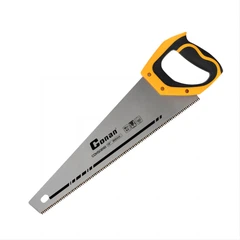
The size of the saw is another important consideration. The length of the saw blade will determine the maximum depth of cut, while the width of the blade will affect the stability and control of the saw. Generally, larger saws are better suited for larger projects and thicker materials, while smaller saws are more maneuverable and ideal for detailed work.
Tooth Configuration
The tooth configuration of the saw blade is also crucial. The number of teeth per inch (TPI) will determine the smoothness of the cut, while the shape and angle of the teeth will affect the cutting performance. For example, a saw with a high TPI will produce a smoother cut, but it may also be slower. On the other hand, a saw with a low TPI will remove material more quickly, but the cut may be rougher.
Handle Comfort
Since you'll be holding the saw for an extended period of time, it's important to choose a saw with a comfortable handle. Look for a handle that fits your hand well and provides a secure grip. Some saws have ergonomic handles that are designed to reduce fatigue and improve control.
Blade Quality
The quality of the saw blade is directly related to its cutting performance and durability. Look for a saw blade that is made from high-quality materials, such as high-carbon steel or bi-metal. A good quality blade will stay sharp longer and provide a cleaner cut.
Our Hand Tools Selection
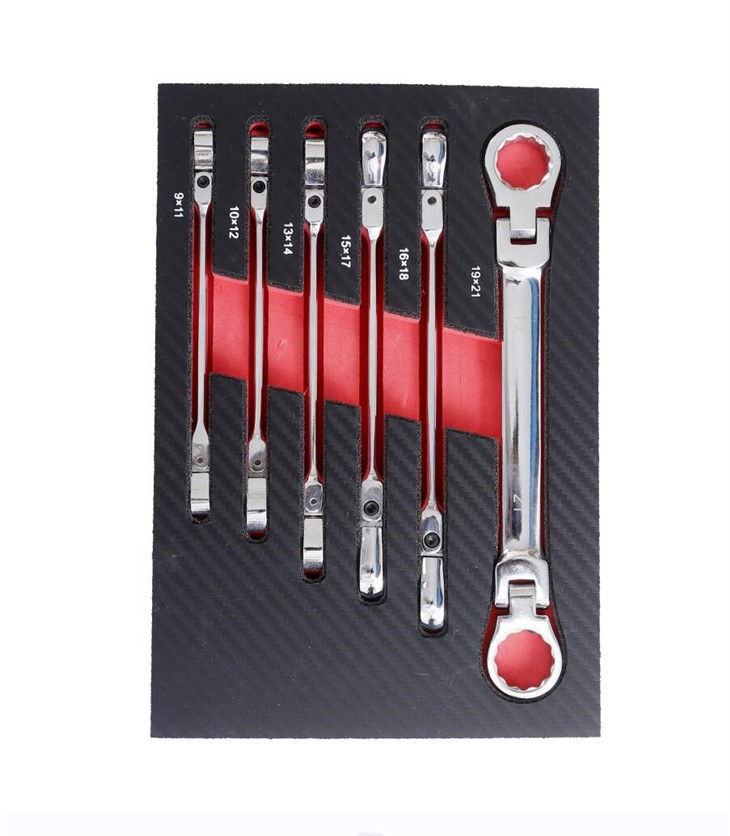
As a hand tools supplier, we offer a wide range of high-quality hand saws to meet the needs of both DIY enthusiasts and professional woodworkers. In addition to our hand saws, we also carry a variety of other hand tools, such as 82pcs Socket Set(1/4"&1/2"), 6pcs Double Flexible Ring Wrench Set, and 7pcs Torque Wrench Set (1/2"). Our products are carefully selected to ensure they meet the highest standards of quality and performance.
Conclusion
Choosing the right hand saw for your project is essential for achieving the best results. By understanding the different types of hand saws and considering the factors mentioned above, you can make an informed decision and select a saw that is suitable for your specific needs. If you have any questions or need further assistance, please don't hesitate to contact us. We're here to help you find the right tools for your project and ensure your success.
References
- "The Complete Guide to Hand Saws." Woodworking Magazine.
- "Choosing the Right Saw for the Job." This Old House.
- "Hand Saw Basics." Fine Woodworking.