


Hey there! As a hand tools supplier, I've seen firsthand how important it is to know your way around basic tools like wrenches. Today, I'm gonna walk you through the ins and outs of using a wrench to tighten bolts. Whether you're a DIY enthusiast or a pro, these tips will come in handy.
Understanding Your Wrenches
First things first, let's talk about the different types of wrenches you might encounter. There are several common types, each with its own unique features and uses.
- Open-End Wrench: This is one of the most basic types of wrenches. It has U-shaped openings at both ends, with different sizes on each side. Open-end wrenches are great for quick adjustments and when you don't need a lot of torque.
- Box-End Wrench: Box-end wrenches have a closed loop at one or both ends, which provides a more secure grip on the bolt. They're better for applying more torque without slipping, but they can be a bit more difficult to maneuver in tight spaces.
- Combination Wrench: As the name suggests, a combination wrench has an open end on one side and a box end on the other. This gives you the best of both worlds, allowing you to quickly grab a bolt with the open end and then switch to the box end for more torque.
- Adjustable Wrench: An adjustable wrench, also known as a crescent wrench, has a movable jaw that can be adjusted to fit different sizes of bolts. It's a versatile tool, but it doesn't provide as much grip as a fixed-size wrench.
Choosing the Right Wrench
Now that you know the different types of wrenches, how do you choose the right one for the job? The most important thing is to make sure the wrench fits the bolt properly. If the wrench is too big, it won't grip the bolt securely and could slip, which can be dangerous and damage the bolt or the tool. If the wrench is too small, it won't fit over the bolt at all.
When choosing a wrench, look for one that matches the size of the bolt you're working with. You can usually find the size of the bolt stamped on the head. If you're not sure, you can use a caliper or a bolt gauge to measure the bolt.
Preparing the Work Area
Before you start tightening bolts, it's important to prepare the work area. Make sure the area is clean and free of debris, and that the bolt and the surface it's attached to are also clean. If there's dirt or rust on the bolt, it can make it harder to turn and could damage the wrench.
You should also make sure the bolt is properly seated in the hole or the nut. If the bolt is cross-threaded, it can be difficult or impossible to tighten, and it could damage the threads. To check if the bolt is cross-threaded, try turning it by hand. If it doesn't turn smoothly, it might be cross-threaded. In that case, remove the bolt and start over.
Using the Wrench to Tighten Bolts
Once you've chosen the right wrench and prepared the work area, it's time to start tightening the bolt. Here's a step-by-step guide on how to do it:
- Position the Wrench: Place the wrench over the bolt so that it fits snugly. Make sure the jaws of the wrench are fully engaged with the bolt head or the nut.
- Apply Pressure: Hold the wrench firmly and apply pressure in the direction you want to turn the bolt. For most bolts, you'll want to turn it clockwise to tighten it.
- Use Your Body Weight: If you need to apply more torque, you can use your body weight to help. Stand on the end of the wrench or use a cheater bar (a pipe that fits over the handle of the wrench) to increase the leverage.
- Check the Tightness: As you're tightening the bolt, periodically check the tightness. You can do this by trying to turn the bolt by hand or by using a torque wrench. A torque wrench allows you to apply a specific amount of torque to the bolt, which is important for ensuring that the bolt is tightened to the correct specifications.
- Finish the Job: Once the bolt is tightened to the desired level, remove the wrench and check the work. Make sure the bolt is secure and that there are no signs of damage or looseness.
Tips and Tricks
Here are a few tips and tricks to help you use a wrench more effectively:
- Lubricate the Bolt: If the bolt is rusty or difficult to turn, you can apply a little bit of lubricant to the threads. This will make it easier to turn the bolt and will also help prevent damage to the threads.
- Use a Socket Wrench: For bolts in tight spaces or for precision work, a socket wrench can be a great option. Socket wrenches come in a variety of sizes and can be used with a ratchet or a breaker bar for added leverage. Check out our 1/4" Dr. Deep Socket, 6PT for a great socket option.
- Be Careful with Adjustable Wrenches: Adjustable wrenches can be a great versatile tool, but they can also slip if not used properly. Make sure the jaws of the adjustable wrench are tightened securely around the bolt before applying pressure.
- Use the Right Technique: When using a wrench, it's important to use the right technique. Apply pressure smoothly and steadily, and avoid jerking or twisting the wrench. This will help prevent damage to the bolt and the wrench.
Other Hand Tools You Might Need
In addition to wrenches, there are a few other hand tools that you might find useful when working with bolts. Here are a few examples:
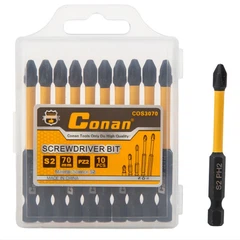
- Screwdriver: A screwdriver can be useful for removing or installing screws that are used in conjunction with bolts.
- Pliers: Pliers can be used to grip and hold small objects, such as nuts or bolts, while you're working on them.
- Chisel: A chisel can be used to remove rust or debris from the surface of a bolt or to cut through a bolt if necessary.
- Pruning Saw 270mm: A pruning saw can be used to cut through bolts or other metal objects if necessary.
Contact for Procurement
If you're in the market for high-quality hand tools, including wrenches and other tools we've discussed, we'd love to hear from you. We're a trusted hand tools supplier, and we offer a wide range of products to meet your needs. Whether you're a small DIYer or a large industrial client, we've got the right tools for you. Reach out to us to start a procurement discussion and find the perfect tools for your projects.


References
- "Hand Tools for Dummies" by Tom Begnal
- "The Complete Guide to Home Improvement" by Lea-Ann Turnbull