

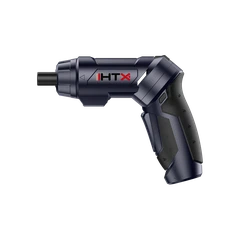
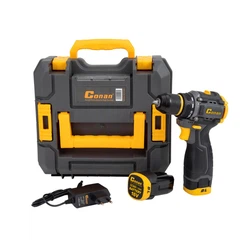

Using a cordless screwdriver as a drill is a common practice among DIY enthusiasts and homeowners for small and light-duty tasks. While cordless screwdrivers and drills are designed for different primary functions, there is some overlap in their capabilities, especially with advancements in cordless tool technology.
Primary Differences
Torque and Speed: Cordless screwdrivers are optimized for turning screws with precision and control, typically at lower speeds and with less torque than drills. Drills, on the other hand, are designed to bore holes through various materials, requiring higher speeds and more torque.
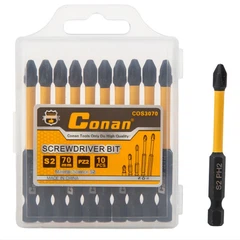
Chuck Size: Most cordless screwdrivers have a ¼ inch hex chuck designed for screwdriver bits, whereas drills usually have a three-jaw chuck that can hold a wider range of drill bit sizes and types.
Power and Battery Life: Drills generally have more powerful motors and larger batteries to accommodate the higher energy demands of drilling.
When You Can Use a Cordless Screwdriver as a Drill
Light-Duty Tasks: For drilling small holes in soft materials like drywall, thin wood, or plastics, a cordless screwdriver can often do the job. This is especially true for tasks that require more precision than power.
Convenience: For quick or on-the-go tasks where a full-sized drill is not practical or available, a cordless screwdriver can serve as a makeshift solution.
Space Constraints: In tight spaces where a bulky drill can't reach, the compact size of a cordless screwdriver might offer a suitable alternative.
Limitations and Precautions
Not for Heavy-Duty Use: Attempting to drill large holes or work with hard materials (like hardwood, metal, or masonry) can strain the motor of a cordless screwdriver and potentially damage the tool.
Battery and Motor Strain: Even within its capacity for light drilling, using a cordless screwdriver in this way can lead to quicker battery depletion and increased wear on the motor over time.
Accuracy and Finish: The finish and accuracy of the holes drilled with a cordless screwdriver may not match those drilled with a proper drill, especially on more challenging materials or larger projects.